 KOOROW
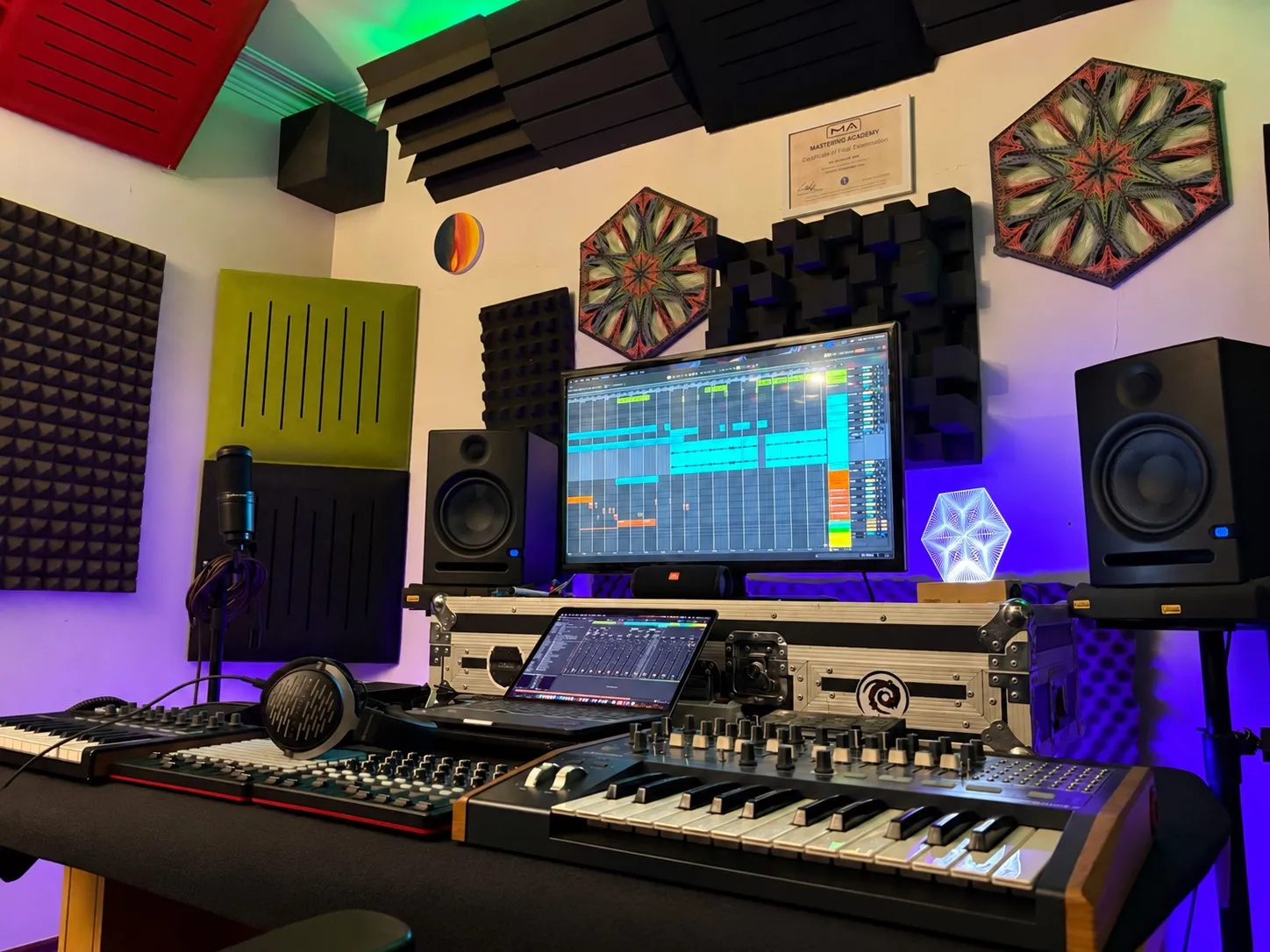
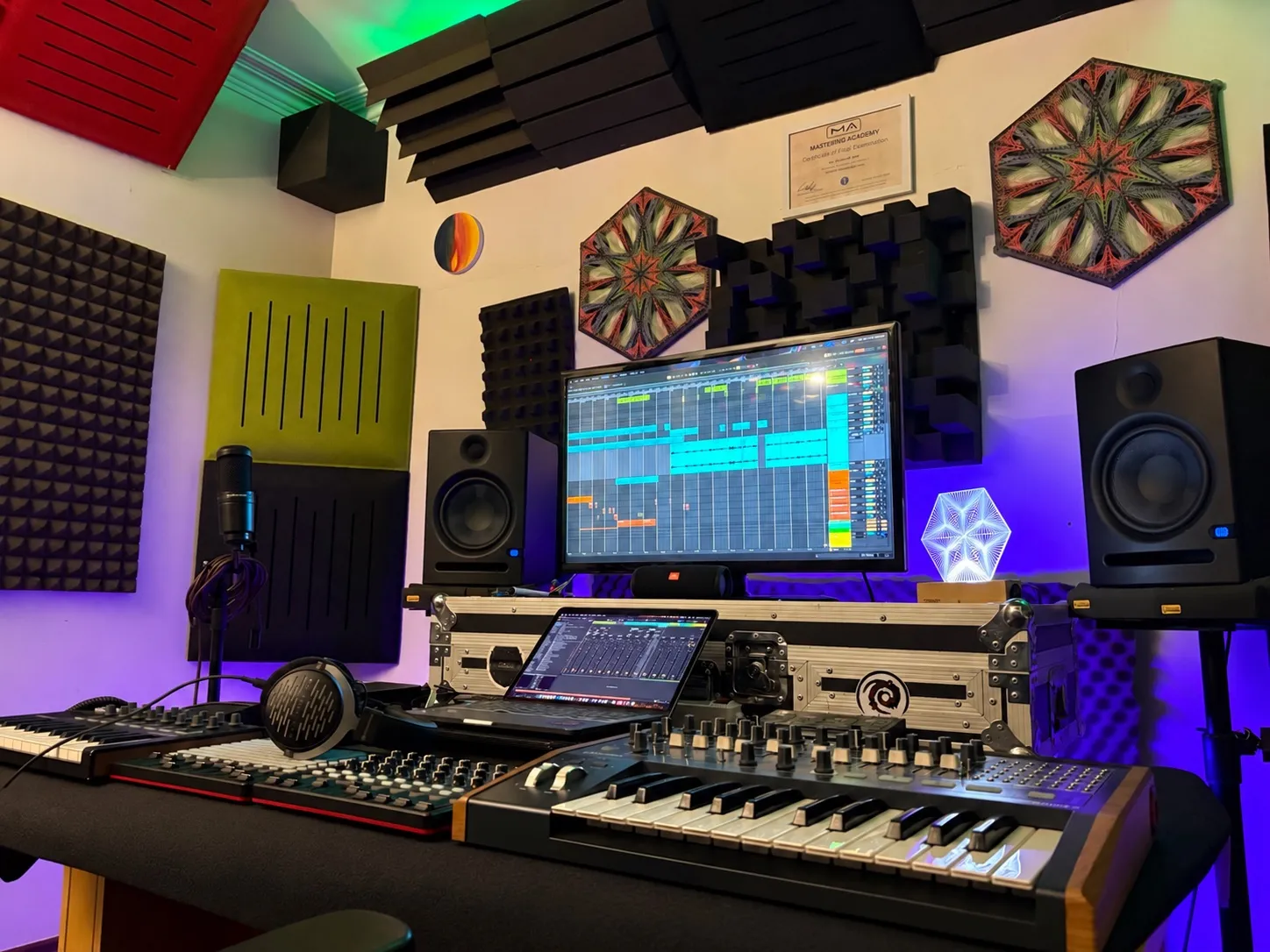
Nodal Red 2X is a virtual analog synth that emulates the classic red Nord Lead 2X. KOOROW had just found it when he made this video, and he was surprised by how rich it sounds and how tight its FM is. In this introduction he walks through the synth’s sections, then builds a hard FM lead for hitech and psytrance with it.
The video is in Persian. This article walks through every step in English.
Why this synth
- A very rich, slightly strange sound, great for FM leads and FX.
- Very tight, hard FM, good for hitech, darkpsy, psytrance and really every genre.
- It brings the character of the Nord Lead 2X, both the keyboard and the rack version, without the hardware’s price. The ROM loaded in the plugin is the Nord Lead 2X.
Know the core and every synth makes sense
This is a plugin introduction, not a deep sound design lesson. But KOOROW starts with a principle he repeats to his students. Someone who really understands sound design can sit in front of any synth and build sounds properly, not just get “some” sound out of it. That is because every synthesizer is made of the same parts:
- Oscillator: the voltage-controlled oscillator, or VCO.
- Filter: the VCF. You will see “VCF” written on many synths.
- Envelope, LFO and often a sequencer.
Everything else, the matrix, effects, unison, glide and so on, is a side feature. Find the oscillators, the filter and the envelopes on any synth and you can make your sound.
A tour of Nodal Red 2X
| Section | What it does |
|---|---|
| Oscillators 1 & 2 + mix | Choose which oscillator you hear: 1, 2, or both. The FM comes from oscillator 2. |
| Amp envelope | The envelope on the volume, which shapes the character of the sound. |
| Mod envelope | An extra envelope with three destinations: FM, PW (pulse width) or oscillator 2. |
| Pulse width | A symmetric pulse is a square wave. Turn it up and one side gets smaller. Every synth has this, often labelled PW or PWM. |
| LFO 1 & LFO 2 | Fixed destinations. LFO 2 can go to amp, filter, or oscillators 1 and 2. There is no matrix: the routing is built in. |
| Filter | Frequency, resonance, and how much the envelope and the LFO affect it. It works like the blue amount ring in Serum. |
| Arpeggiator | Built in, and it sounds great. |
| Portamento, unison, bank, master level | Glide between notes, multiple voices, the sound bank and the overall volume. |
A quick portamento demo: with a long glide one note slides into the next, and with a short one it jumps straight there. The layout is simple, just like the face of the original hardware. Search for the Nord Lead 2X and you will see the resemblance.
Building an FM lead
- Play an octave lower.
- Turn the FM up. Set the other oscillator to a sub role and bring its level to zero, so you hear the modulated oscillator. There is a screamier option too, but it is harsh.
- Already, before doing anything else, it sounds big.
- Switch the filter to high-pass.
- Turn on the arpeggiator. It works really well here.
- Lower the octave of the modulator, oscillator 2. Playing a higher note on the keyboard shows the difference.
- Add some resonance, and pull it back when it is too much.
You could also use an LFO to create the FM, but KOOROW prefers the sound of this setup.
Making it move in Ableton
- Add a Random note MIDI effect with a chance of around 30 to 40 and a small interval.
- Write one long legato note, E1 in the video, and turn off the note that was playing above it.
- Map the cutoff and the arpeggiator gate to knobs on your MIDI controller, then play with them over the kick and bass.
Learn sound design that works on any synth
Koorow Premium brings weekly sound design lessons, presets, samples and feedback on your own tracks. Private lessons teach the fundamentals so every synth makes sense, in English if you prefer.