 KOOROW
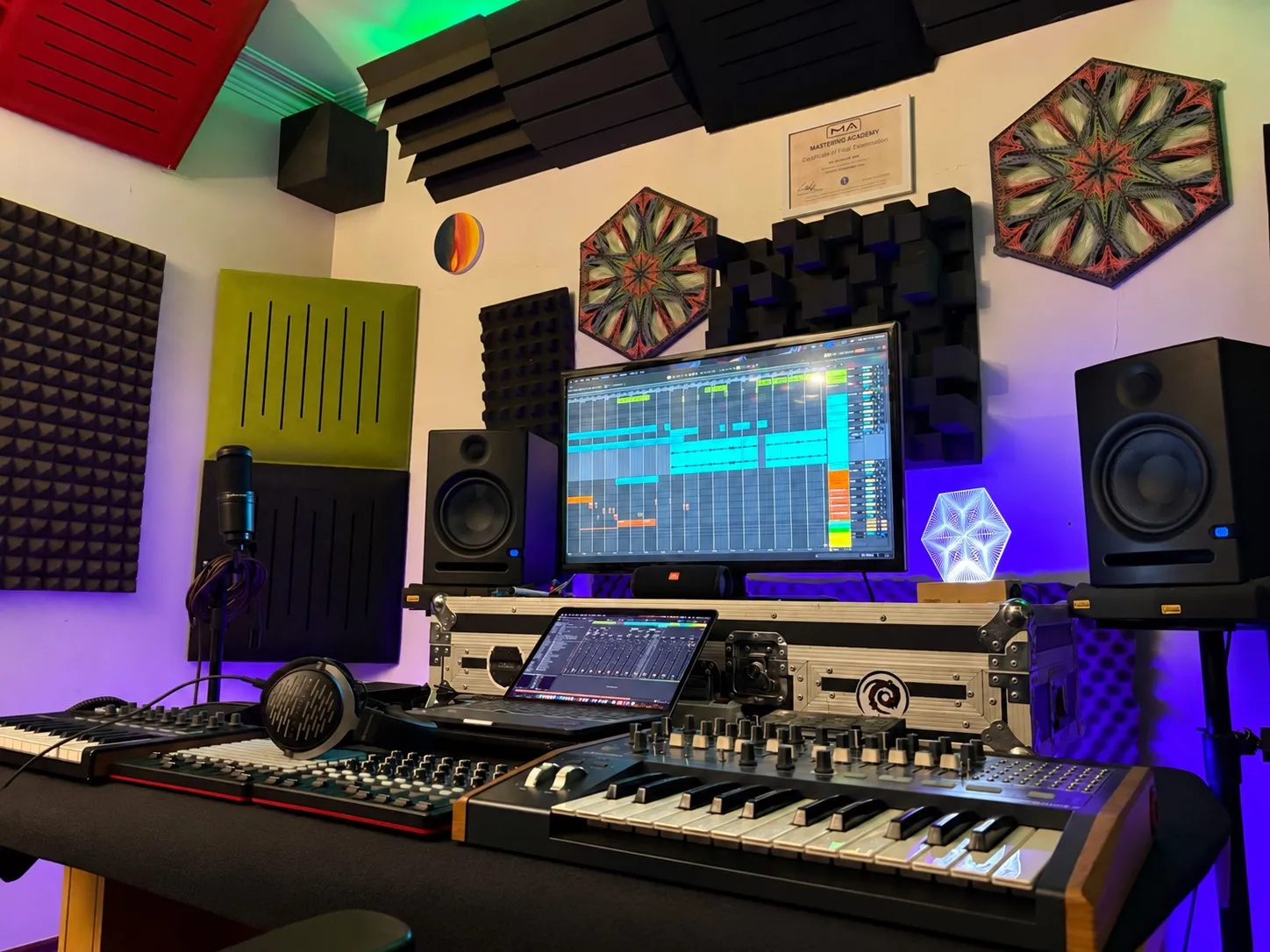
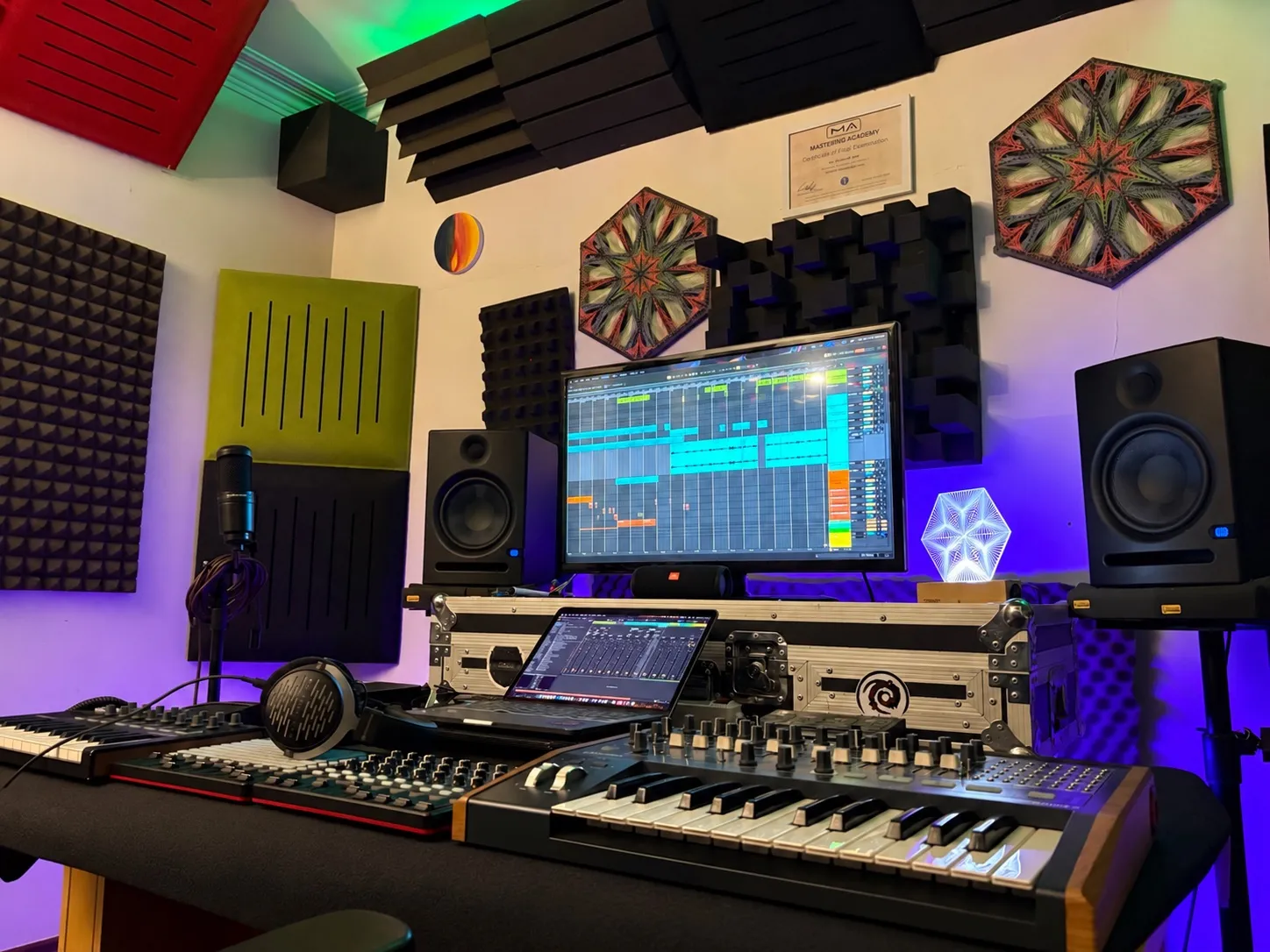
An atmosphere is the most emotional sound in an electronic track. It can make the listener feel unstable, stressed and afraid, or stable and happy. This short lesson preview shows the two tools KOOROW uses to get there: sound design that keeps evolving across every long note in Serum 2, and music theory, meaning which intervals you choose and how you spread a chord across your instruments.
This video is an English-dubbed preview of the full “Feelings & Atmos” lesson in Koorow Premium, with on-screen English captions. It builds on the previous theory lesson about intervals.
The two ideas
- Movement: an atmospheric note is long, so the sound must keep evolving for its whole length.
- Emotion: intervals carry feelings. Choose them on purpose and spread the chord notes across your instruments.
Why atmospheric sounds need movement
In KOOROW’s YouTube videos about atmospheres, he keeps coming back to one point: make your sound progressive, meaning it should change while you are holding the notes.
Calm sounds like atmospheres create the space of the track. Each note is long and stays in the track for a long time. It is not like a lead that hits fast and rhythmically and does call and response with another lead. For that reason, the sound you design has to keep evolving and changing its texture throughout the entire note. If it stays the same, a long note quickly becomes boring.
Wavetable position: the easiest way to evolve
What could be better for this than a wavetable? Serum 2’s wavetable position knob gives you two kinds of movement:
- Move seamlessly between the different frames of your wavetable, or
- change the shape of the wave over time.
Modulate that position slowly across the length of a note and the atmosphere keeps changing character while it plays.
For a full practical example, the darkpsy pad lesson moves the wavetable position with a slow, free-running LFO and adds Sync warp on top.
Intervals and emotion
The second part is about creating specific emotions. Here is how KOOROW describes the feeling of each interval:
| Interval | Feeling |
|---|---|
| Minor second | Scary |
| Major second | Unstable, a bit stressful, though not as scary as the minor second |
| Third | Generally pleasant, a bit happier |
| Perfect fifth | Very happy |
| Sixth | Pleasant |
| Seventh | Unpleasant, stressful |
A full video on how to write harmony for your track is planned.
Spread the chord across your instruments
When you choose a chord with four or five voices, those voices are not all meant to be played by one atmosphere. Distribute them among your instruments:
- the lead takes one note,
- the bass takes one note,
- your two pads take two different notes.
When a four- or five-voice chord is spread out like this, the track really starts to become something cool.
Harmonic pacing: tension and resolution
Don’t just stick with a simple four-bar loop. And don’t write notes as one chord for one bar, then the next chord for the next bar. It gets boring quickly. Played once, that pattern is fine. Played twice, it becomes ridiculous.
Instead, keep chords long and let them stay in one state. The exception is a part of your track where you want to stress the sound twice and then return to a stable state. Tension, then resolution.
Movement and simultaneity
There are two ways to use intervals:
- Simultaneity: play the notes together to form a chord.
- Movement: go from one note to another across a specific interval, and that interval conveys the emotion. In the video KOOROW moves from B to D.
Use both. That is where emotions emerge, especially on pads and atmospheric sounds like the one in this preview.
Quick checklist for your next atmosphere
- Is the sound still changing at the end of a long note? If not, modulate the wavetable position.
- Which emotion do you want here? Pick the interval that carries it.
- Are your chord notes spread across the bass, the lead and the pads?
- Do your chords stay long enough, instead of changing every bar?
Watch the full Feelings & Atmos lesson
This preview is part of Koorow Premium: weekly lessons on sound design and music theory, project breakdowns, presets and feedback on your tracks. Ask about membership on Telegram.